Anúncios
Are you looking for information on TVET Colleges in South Africa for 2026? This guide has everything you need to know about applications and courses.
We also cover how to get NSFAS funding to pay for your studies. Let’s get you ready for your future career without any confusion.
What Are TVET Colleges and Why Do They Matter?
TVET stands for Technical and Vocational Education and Training. These colleges are not like traditional universities. They focus on practical skills.
Think of them as direct paths to specific jobs. You learn skills that employers in South Africa need right now, from engineering to hospitality.
This makes TVET graduates highly employable. The goal is to equip you with the hands on experience required for the modern workplace.
Key Information for 2026 TVET Applications
Most TVET colleges in South Africa open their application windows at different times. However, many start accepting applications around September 2025.
It is crucial to check the specific closing dates for the colleges you are interested in. Some popular courses fill up very quickly.
You can apply to multiple colleges to increase your chances of acceptance. Each college has its own online application portal or paper based forms.
Important: Always apply directly through the official college websites. Avoid any third party agents who ask for money to “help” you apply.
Popular Courses Offered at TVET Colleges
TVET Colleges offer a massive range of courses. These are designed to meet the needs of South Africa’s economy. The options are very practical.
Here are some of the most popular fields you can study:
- Engineering Studies: Electrical, Mechanical, and Civil Engineering fields are always in high demand.
- Business and Management: Courses like Financial Management, Marketing, and Human Resources.
- Hospitality and Tourism: Training for careers as chefs, guest house managers, or tour guides.
- Information Technology (IT): Includes courses on computer programming, networking, and technical support.
- Safety and Security: Programmes focused on community policing and private security operations.
- Art and Design: Practical courses in fashion design, graphic design, and interior decorating.
Each course has different entry requirements. Make sure you check what is needed before you start your application.
How NSFAS Funding Works for TVET Students
The National Student Financial Aid Scheme (NSFAS) is a government bursary. It helps South African students pay for their tertiary education.
Good news! NSFAS fully covers TVET College studies for eligible students. This is a game changer if you are worried about fees.
The funding typically covers more than just tuition. It can also include:
- Registration fees: The upfront cost to register for your course.
- Tuition fees: The full cost of your studies for the year.
- Allowances: Money for transport, living expenses, and learning materials.
- Accommodation: For students living in student residences or private accommodation.
To qualify, your household income must be below a certain threshold. This is usually R350,000 per year, but always check the latest NSFAS rules.
Step-by-Step Guide: How to Apply to a TVET College
Applying might seem complicated, but it is manageable if you follow the steps. Breaking it down makes the process much easier to handle.
Here’s a simple guide to get you started:
- Research Colleges and Courses: First, decide which TVET college and course is right for you. Look at their websites and prospectuses.
- Check Requirements: Make sure you meet the minimum academic requirements for your chosen course. This is very important.
- Gather Your Documents: You will need certified copies of your ID, latest results (Grade 11 or 12), and proof of residence.
- Complete the Application Form: Most colleges use an online system. Fill out all sections carefully and accurately. Some still use paper forms.
- Submit Your Application: Upload your documents and submit the form before the closing date. Keep a copy of your submission confirmation.
If you get stuck, contact the college’s admissions office directly. They are there to help you with any questions you may have.
Applying for NSFAS: What You Need to Do
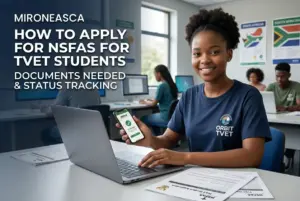
Applying for NSFAS is a separate process from your college application. You must apply for both if you need financial aid for your studies.
The NSFAS application window usually opens around September and closes in early February. Do not miss this deadline.
Here’s what you need to do:
- Create a myNSFAS account: Go to the official NSFAS website (www.nsfas.org.za) and register your profile.
- Fill in the Application: Complete the online application form with your personal and household financial details.
- Upload Supporting Documents: You will need certified copies of your ID and your parents’ or guardians’ IDs and proof of income.
- Submit and Wait: After submitting, you will receive an application reference number. Track your status on the myNSFAS portal.
Alert: NSFAS will NEVER ask you for money to process your application. If someone does, it is a scam. Report it immediately.
Common Mistakes to Avoid During Applications
A small mistake can delay or even derail your application. Knowing the common pitfalls can help you avoid them from the start.
Here are some things to watch out for:
- Missing Deadlines: This is the most common reason for rejection. Mark all closing dates on a calendar.
- Incorrect Information: Double check your ID number, contact details, and all other personal information before submitting.
- Uncertified Documents: Your documents (like your ID copy) must be certified by a Commissioner of Oaths. This is not optional.
- Not Checking Your Status: After applying, regularly check your email and the college portal for updates or requests for more info.
- Applying for Only One College: Increase your options. Apply to at least three different colleges or courses that interest you.

What to Do if Your Application is Unsuccessful
It can be very disappointing to receive a rejection. However, it is not the end of the road. You have several options to consider.
First, try to find out why you were not accepted. Contact the admissions office and ask for feedback. This can help you for your next attempt.
You can also consider upgrading your matric results. Many institutions offer programmes to help you improve your marks in key subjects.
Another option is to look at short courses or learnerships. These can provide you with valuable skills and work experience while you plan your next move.
Start Your TVET College Journey for 2026 Today
Getting a practical qualification from a TVET college can set you on a path to a stable and successful career. The key is to start early.
Use this time to research the colleges and courses that align with your passions and goals. Get your documents in order and be ready.
Remember to check the official college and NSFAS websites regularly for the latest updates. Your future is in your hands.
Take the first step by visiting the official websites of your chosen colleges. The information you need is there, so start planning now.